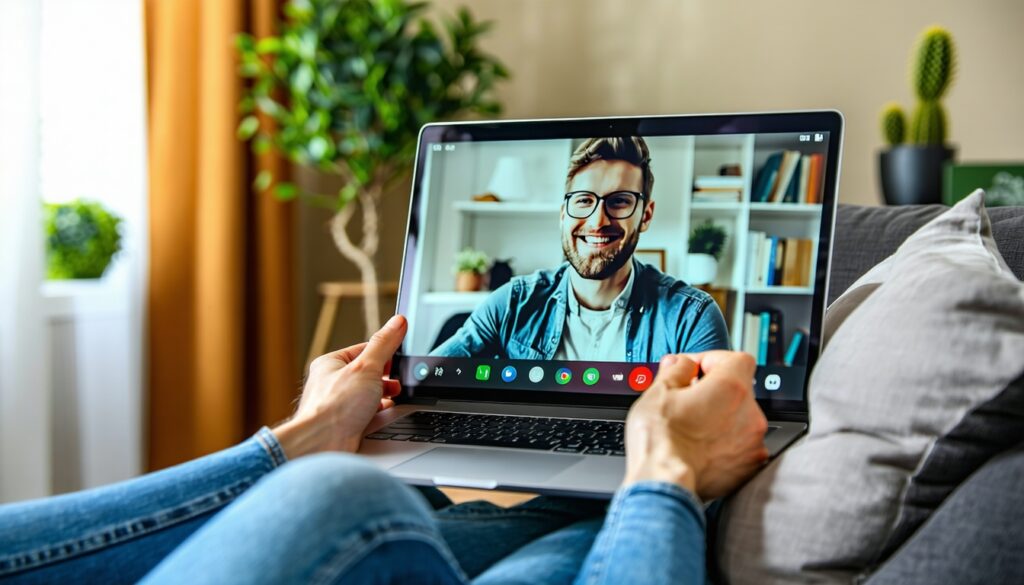
Benefits of Online Psychiatry
Online psychiatry services have gained popularity recently, offering convenience and a range of benefits that can make mental health support more accessible for you or a loved one.
Convenience and Accessibility
One of the most significant advantages of online psychiatry is its convenience. You can connect with a licensed psychiatrist from the comfort of your home, eliminating travel time and wait times often associated with in-person visits. This can be especially beneficial for individuals living in rural areas or those with mobility issues. According to a study, telepsychiatry improves accessibility and flexibility, leading to better follow-up and adherence to treatment plans NCBI.
Online psychiatric services often allow for various meeting methods, including video calls, phone calls, and messaging. This flexibility ensures that you can choose the mode of communication that best fits your comfort level and lifestyle.
Cost-Effectiveness
The cost of online therapy can vary but typically ranges from $65 to $109 per session, depending on the service and insurance coverage Psychology.org. In contrast, in-person sessions can sometimes be more expensive due to additional overhead costs.
For those without insurance, online psychiatry services may range from $30 to $300, providing a more budget-friendly option for mental health care A Woman’s Health. This affordability makes it easier for more people to access necessary psychiatric services without breaking the bank.
| Service Type | Cost Range |
|---|---|
| With Insurance | $30 – $75 |
| Without Insurance | $75 – $300 |
Treatment Options
Online psychiatry provides a wide array of treatment options to address various mental health needs. From medication management to therapy services, you can find comprehensive support tailored to your specific requirements. Whether you seek help for anxiety, depression, or more complex conditions, online psychiatry can adapt to your needs.
Access to specialized treatments, such as ADHD treatment, bipolar disorder treatment, or dual diagnosis treatment, is as straightforward as searching for the right provider. With the ability to book a psychiatrist online, you can receive timely and relevant support without navigating the complexities of traditional healthcare systems.
Online psychiatric services are designed to empower you in your mental health journey, offering a comfortable and flexible environment for growth and healing.
Effectiveness of Online Therapy
Online psychiatry offers a viable and effective alternative to traditional face-to-face therapy. Understanding its effectiveness can help you or a loved one make informed decisions about seeking mental health support.
Research Evidence
A growing body of research indicates that online therapy can be just as effective as in-person sessions. Studies show that patients and clinicians view both online and in-person therapy as effective. Virtual therapy often boasts higher completion and attendance rates, suggesting that commitment to mental health plays a crucial role in outcomes, regardless of the mode of delivery [1].
| Study Type | Findings |
|---|---|
| Telepsychiatry vs. In-Person | Similar efficacy in various mental illnesses including depression and panic disorder. |
| Completion Rates | Online therapy typically has higher rates of attendance and completion compared to traditional methods. |
Patient Satisfaction
Patient satisfaction levels for telepsychiatry services are notably high, with many individuals reporting similar satisfaction with video-conferencing as they would with face-to-face consultations. Notably, family members involved in the care of children and adolescents have also expressed satisfaction with these services [2]. This level of satisfaction supports the idea that online therapy can deliver quality mental health services.
| Satisfaction Metrics | Results |
|---|---|
| Video Conferencing Satisfaction | High levels of satisfaction similar to traditional therapy. |
| Family Satisfaction | Positive feedback from families involved in child and adolescent care. |
Treatment Adherence
Telepsychiatry has been shown to enhance treatment adherence and improve overall quality of life for patients. Research indicates that interventions delivered online can lead to better patient outcomes at lower costs. The effectiveness in clinical case management shows that online therapies may be suitable for a range of mental health issues, including depression and anxiety. This demonstrates the adaptability and effectiveness of online psychiatry.
| Outcome Type | Effectiveness |
|---|---|
| Treatment Adherence | Higher rates of treatment adherence compared to traditional methods. |
| Cost Efficiency | Lower costs per remitted subject in online settings. |
By choosing platforms like MindHealthMD, you ensure access to quality mental health services that fit your needs. Online psychiatry is not only accessible and convenient; it’s also backed by substantial evidence of efficacy and satisfaction for patients. Explore the services available to you today and take the first step toward better mental health. Whether you are looking for treatment options for depression, anxiety, or specialized services like ADHD treatment, MindHealthMD brings care right to your home.
Factors to Consider When Choosing an Online Psychiatrist
Selecting the right online psychiatrist is an important step in your mental health journey. Here are some factors to guide you in making an informed decision.
Licensing and Credentials
When considering an online psychiatrist, it is crucial to verify their licensing and credentials. Make sure the psychiatrist holds valid licenses and board certifications, like MD (Doctor of Medicine) or DO (Doctor of Osteopathy). These credentials ensure that they are qualified to provide psychiatric care, which is essential for your safety and well-being A Woman’s Health.
| Credential Type | Importance |
|---|---|
| MD / DO | Essential for diagnosing and treating conditions |
| Board Certification | Confirms specialty training in psychiatry |
Treatment Specialization
Every individual has unique mental health needs, and different online psychiatrists specialize in various conditions. Look for a provider who can tailor a treatment plan suitable for your specific situation, whether you require medication management, talk therapy, or Cognitive Behavioral Therapy (CBT) A Woman’s Health.
| Specialization Areas | Examples |
|---|---|
| General Psychiatry | Treatment for various disorders |
| ADHD Treatment | Focus on attention-related issues |
| Anxiety Treatment | Strategies for managing anxiety |
| Bipolar Disorder Treatment | Specialized mood disorder care |
Service Offerings
It’s important to consider what services the online psychiatrist offers. Inquire whether they provide only medication management, a mix of therapy and medication, or other specialized treatments. Understanding the range of services can help you choose a psychiatrist who meets all your mental health support needs A Woman’s Health.
| Service Type | Description |
|---|---|
| Medication Management | Prescription and monitoring of psychiatric medication |
| Talk Therapy | One-on-one discussions to address mental health issues |
| Cognitive Behavioral Therapy | Techniques to change negative thought patterns |
By considering these factors, you can make an informed choice when selecting an online psychiatrist. Remember to prioritize your mental health needs to ensure you receive the best possible care. For specific treatment types, you might explore ADHD treatment, anxiety treatment, or bipolar disorder treatment.
Challenges of Online Therapy
While online psychiatry services, such as those offered at MindHealthMD, provide various benefits, there are challenges that you may encounter when considering online therapy. It is essential to be informed about these obstacles to make the best decisions for your mental health.
Technology Issues
One of the main challenges of online therapy is the potential for technology-related problems. Issues such as poor internet connection, software glitches, and compatibility problems with devices can lead to rescheduled appointments or interruptions during sessions. These technology concerns may contribute to feelings of frustration and may hinder your therapeutic experience. It is important to ensure that you have a reliable internet connection and access to the necessary software or applications before beginning your therapy sessions.
Here is a brief overview of common technology problems in online therapy:
| Issue | Impact |
|---|---|
| Poor internet speed | Connection drops and session interruptions |
| Software glitches | Technical difficulties and frustration |
| Incompatibility | Inaccessibility to video or chat features |
Severity of Mental Health Conditions
Another critical factor to consider is the severity of the mental health conditions involved. Online therapy may not be suitable for everyone, especially for individuals with severe mental health issues. Complex conditions or crises might require immediate, hands-on support and intervention that can only be provided through in-person sessions. For instance, while conditions like anxiety or depression can often be effectively managed through online services, more acute cases, such as bipolar disorder or crisis situations, might necessitate immediate attention in a clinical setting.
Quality Assessment
Assessing the quality of online therapy services can also pose challenges. Since you cannot always gauge the therapist’s expertise without seeing them in person, it can become difficult to determine if the service you are considering is ideal for your needs. Factors such as licensing, credentials, and experience can vary greatly between providers. It is vital to do thorough research and perhaps even seek recommendations when looking to book a psychiatrist online or explore therapy options.
By being aware of these challenges and considering them in your mental health journey, you can make more informed decisions about whether online psychiatry is the right path for you or a loved one. At MindHealthMD, we are committed to providing high-quality mental health services and are here to support you every step of the way. Explore our offerings for mental health support services.
Comparison: Online vs. In-Person Therapy
When considering your mental health treatment options, it’s essential to weigh the differences between online and in-person therapy. Each approach has its unique benefits and challenges, particularly in three critical areas: therapeutic alliance, assessment thoroughness, and treatment modalities.
Therapeutic Alliance
Building a strong therapeutic alliance—the connection and trust between you and your therapist—is crucial for effective therapy. In-person therapy often excels in this area due to face-to-face interactions that facilitate empathy and understanding. This direct contact generally creates a more intimate environment, fostering deeper emotional connections.
Conversely, online therapy can sometimes be perceived as less empathetic due to the lack of physical presence. However, many therapists successfully establish rapport through virtual settings, utilizing various communication methods such as video conferencing or messaging services. While the alliance may initially feel different, many clients find that with time and consistent communication, meaningful relationships can develop even in a virtual medium.
Assessment Thoroughness
In-person therapy allows for a more thorough assessment of clients. Therapists can pick up on nonverbal cues and other subtle signs that may indicate a patient’s emotional state, which are harder to perceive during an online session. This detailed evaluation can lead to more accurate diagnoses and tailored treatment plans.
Online therapy typically involves sessions that mirror the standard 50-minute format of in-person therapy. However, it may lack some of the depth found in face-to-face assessments. If you are new to therapy or experiencing complex mental health issues, a more comprehensive evaluation may be beneficial. In such cases, it might be worth considering how a psychiatric evaluation might best suit your needs.
Treatment Modalities
Both online and in-person therapy offer various treatment modalities, but in-person therapy tends to provide a broader range. Traditional therapeutic approaches such as Cognitive Behavioral Therapy (CBT), Dialectical Behavior Therapy (DBT), and psychodynamic therapy can easily be conducted face-to-face. Some modalities may be best implemented in person, especially those that require hands-on techniques or involve group dynamics.
On the other hand, online therapy typically includes methods like video conferencing, chatrooms, or messaging services, allowing for flexibility and comfort. This format can be especially beneficial for those in rural areas who may struggle to access specialized services. Though methods may differ, valid options for addressing various mental health conditions, such as anxiety treatment or depression treatment, are still available through online platforms.
When considering your options, understanding the differences between online and in-person therapy can help you decide what suits your needs best. Checking out mental health services near me may also offer further insights into your local options. Whether you opt for telehealth or prefer in-person sessions, both choices provide valuable pathways for your mental wellness journey.
Ensuring Quality in Psychiatry Services
When considering online psychiatry services, it’s essential to ensure that the healthcare providers meet the highest standards of quality. Here are some critical factors to consider:
Certification and Licensure
The foundation of quality in psychiatric care lies in the certification and licensure of the professionals. The American Board of Psychiatry and Neurology (ABPN) requires psychiatrists to have an active, full, and unrestricted license to practice medicine. This ensures that the provider has completed specialized training in psychiatry and is qualified to offer care [3].
| Certification Body | Requirements |
|---|---|
| ABPN | Specialty training and active medical license |
| NBPAS | Initial board certification required; accepted at nearly 200 health institutions |
Choosing a psychiatrist who holds legitimate certifications is a significant step toward receiving safe and effective treatment.
Continuing Education
Continuing education is vital for psychiatrists to maintain their knowledge and skills. The ABPN has a continuing certification program that incorporates various components, including a new Article Based Continuing Certification (ABCC) Pathway, which requires ongoing education through journal-based exams every three years [3].
By engaging in continual learning, psychiatrists stay updated on the latest developments in mental health treatment, ensuring they offer up-to-date therapeutic techniques and approaches.
Lifelong Learning
Lifelong learning is crucial in the field of psychiatry. Rapid advances in medical knowledge and patient care strategies necessitate ongoing educational opportunities for healthcare providers [3]. This commitment to learning enhances the psychiatrist’s effectiveness and ability to provide high-quality services.
Whether you are seeking ADHD treatment, anxiety treatment, or support for mood disorders, understanding the qualifications and ongoing education of your provider can significantly impact your treatment journey.
By choosing MindHealthMD for your psychiatric, TMS, and therapy services, you can feel confident in the qualifications and dedication of your healthcare provider. Prioritizing quality in your mental health services can lead to better outcomes and overall satisfaction. If you’re ready to take the next step, consider booking a psychiatrist online today.